Getting Your Bemidji-Area Home Ready for Winter: A Northern Minnesota Fall Checklist
Getting Your Bemidji-Area Home Ready for Winter: A Northern Minnesota Fall Checklist
Living around Bemidji means accepting one simple fact: winter is going to show up.
The question is whether your house is ready when it does.
September and October are a great time to walk around your property and take care of the small things that can become much bigger problems once temperatures drop below freezing. This is especially important around Bemidji because our housing stock is so varied. We have homes in town, older houses, newer construction, lake homes, cabins and rural properties with private wells, septic systems, propane tanks and long driveways.
Here are some of the things Northern Minnesota homeowners should consider checking before winter.
1. Have Your Furnace or Boiler Checked
Your heating system isn't something you want to discover has a problem on a January night.
The Minnesota Department of Commerce recommends having heating and cooling systems inspected annually and maintained regularly. Heating and cooling account for a little more than half of the energy used in a typical Minnesota home, making them the largest energy expense for many households.
Fall is a good time to:
- Schedule routine furnace or boiler service
- Replace or clean filters
- Check thermostats
- Make sure supply and return vents aren't blocked
- Test carbon monoxide and smoke detectors
If you have an older furnace or boiler, ask the technician about its condition rather than waiting for a failure during the coldest part of winter.
2. Look for Drafts Before the Cold Weather Finds Them
A small air leak isn't very noticeable on a beautiful 60-degree September afternoon.
At 15 below zero, you'll notice it.
Check around windows, exterior doors, attic access points and other areas where outside air may enter.
The Minnesota Department of Commerce says combining insulation with air sealing is one of the most cost-effective efficiency improvements for an existing home and can reduce heating and cooling costs.
If you're unsure where your home is losing heat, an energy assessment can go beyond simply feeling for drafts. A more advanced assessment can include a blower-door test, infrared scanning and inspection of insulation, foundations, basements, windows, doors and the roof.
3. Disconnect the Garden Hoses
This is an easy one to forget.
Once you're finished watering for the year, disconnect hoses from exterior faucets and prepare outdoor plumbing for freezing temperatures.
If your home has shutoff valves for exterior faucets, make sure you understand how they're designed to be winterized. Seasonal cabins and lake properties may require much more extensive winterization if they won't remain heated.
Frozen plumbing can turn a relatively inexpensive fall maintenance job into a very expensive water-damage repair.
4. Don't Forget the Irrigation System
If you have an underground sprinkler system, get it on your fall list.
Many Minnesota irrigation systems need to be blown out before the ground freezes, often sometime in October depending on the weather.
Waiting until temperatures are consistently below freezing isn't the goal.
Schedule it early enough that you're not scrambling along with everyone else when the forecast suddenly changes.
5. Clean the Gutters and Look at the Roof
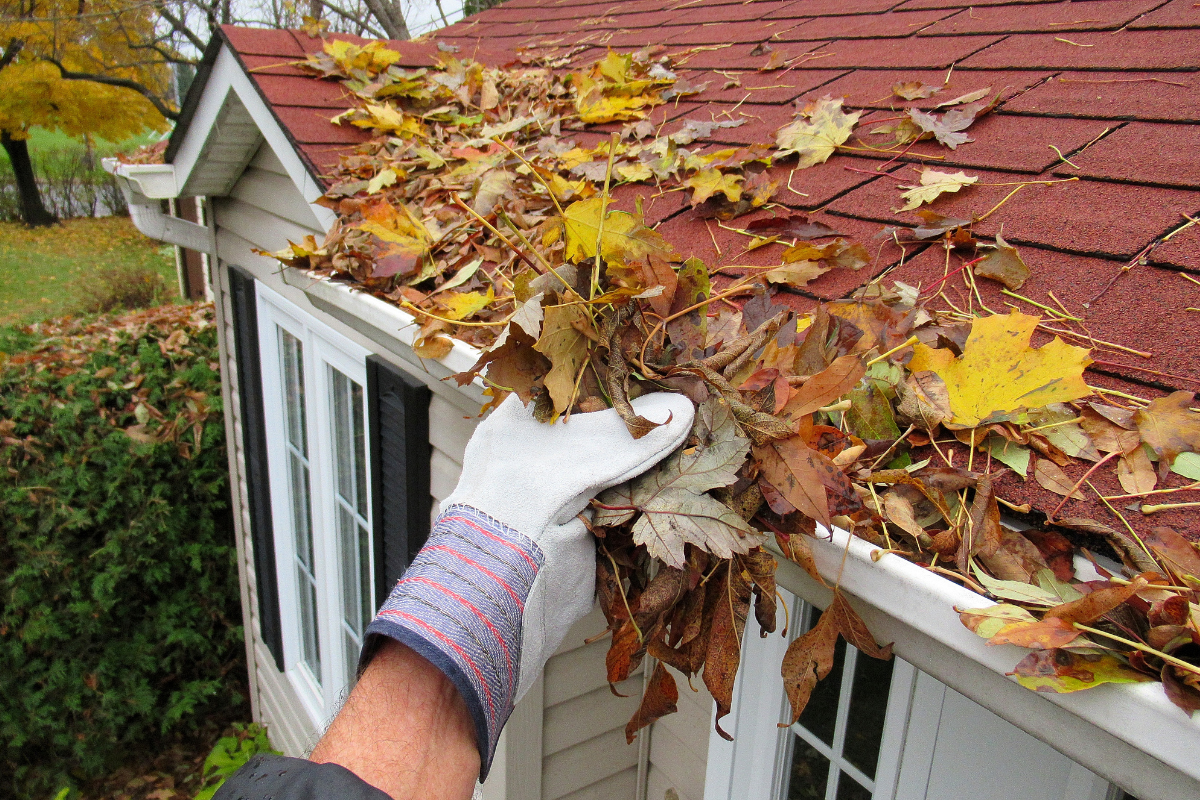
Once most of the leaves are down, take a look at your gutters.
Leaves and debris can interfere with drainage. Fall is also a good opportunity to look for loose shingles, damaged flashing or other obvious roof issues before everything is covered with snow.
You don't necessarily need to climb onto the roof yourself. In fact, for many homeowners, hiring someone to inspect or clean it is the safer choice.
The important part is identifying problems while they can still be addressed.
Northern Minnesota roofs have a lot asked of them during the winter.
6. Rural Homeowners: Think About Your Septic System
A large percentage of homes outside Bemidji rely on private septic systems.
If you've recently purchased a rural home and this is your first winter with a private septic system, learn where the tank, drainfield or mound and inspection pipes are located.
Avoid driving vehicles or equipment over the system, and don't assume that every rural property's septic setup works exactly like the last one you owned.
The University of Minnesota has helpful homeowner resources covering septic-system care, maintenance and winter freeze prevention.
University of Minnesota Septic Resources for Homeowners
7. Lake Homes and Seasonal Cabins Need Extra Attention
If you're closing a cabin for the winter, your checklist will look different from someone who lives in the property year-round.
Depending on the property, that could involve draining water lines, shutting down certain appliances, preparing the well or plumbing system and arranging for someone to periodically check the property.
Also think about docks, lifts, boats, outdoor furniture and other seasonal equipment.
Every cabin is different, so if you aren't familiar with the plumbing or mechanical systems, get advice specific to that property before simply shutting off the heat and locking the door.
8. Check Your Propane or Heating-Fuel Situation
Many rural homes around Bemidji use propane rather than natural gas.
Don't wait for the first major cold snap to figure out how much fuel you have.
Know your tank level, understand whether you're on automatic delivery and make sure the supplier has good access to the tank.
This is also a good time to understand what your home actually costs to heat. If you've recently bought the property, previous utility or fuel-use information can help establish a baseline.
9. Prepare for Snow Before There's Snow
Where is the snow going to go?
That sounds like a funny question in September, but it's worth thinking about.
If you have a long rural driveway, decide who will plow it. Make sure the driveway is accessible and consider marking edges, culverts, septic components or other things that could disappear under several feet of snow.
Move trailers, boats and equipment before the ground freezes.
For homes in town, make sure your snowblower is running and locate the shovels before the first storm rather than after it.
10. Know About Minnesota's Energy-Assistance Programs
Minnesota's Energy Assistance Program can help qualifying homeowners and renters with heating and electricity costs.
Emergency assistance may also be available for situations such as fuel shortages, utility disconnection or a failed heating system.
Minnesota also operates a Weatherization Assistance Program for income-qualified households. Depending on the property, eligible improvements can include insulation, air-leakage reduction and furnace, boiler or water-heater repair or replacement.
Minnesota Energy Assistance Program
Even homeowners who don't qualify for income-based programs should check with their electric or natural-gas utility about available efficiency programs and incentives.
A Little Work in October Can Save a Lot of Trouble in January
Most winter preparation isn't particularly exciting.
Cleaning gutters isn't why anyone moves to Northern Minnesota.
But taking a Saturday in the fall to walk through the house, garage and property can prevent some very expensive surprises later.
And if you've recently moved to the Bemidji area from somewhere with a milder climate, don't hesitate to ask questions. Preparing a house for a Northern Minnesota winter is something that becomes second nature after you've lived here for a while, but there's definitely a learning curve during that first winter.
That's especially true with rural acreage and lake homes, where wells, septic systems, propane, private roads and seasonal equipment can add a few more items to the list.
If you're considering buying a home, cabin, lake property or acreage around Bemidji, The Hoover Group can help you understand the property itself — including some of the Northern Minnesota ownership considerations that aren't always obvious when you're first looking at a home.
Search Homes and Real Estate Around Bemidji and Northern Minnesota
Categories
Recent Posts