
Historic Homes of Presidents
Happy Presidents’ Day! A Look at the Homes America’s Presidents Called Home
When we think of presidents and real estate, one iconic address comes to mind first: the White House. But while every U.S. president has lived there at some point, many also owned (and loved) homes across the country that reflected their personal style, values, and lifestyle.
Let’s take a fun tour through some of the most fascinating presidential homes in history and imagine which one you would choose.
The White House: America’s Most Famous Address
With 132 rooms, 35 bathrooms, and 6 levels, the White House is one of the most recognizable homes in the world. It’s hosted everything from state dinners to weddings and late-night policy meetings.
While your next home probably won’t include a press briefing room, the idea remains the same: finding a home that truly fits your lifestyle is always the top priority.
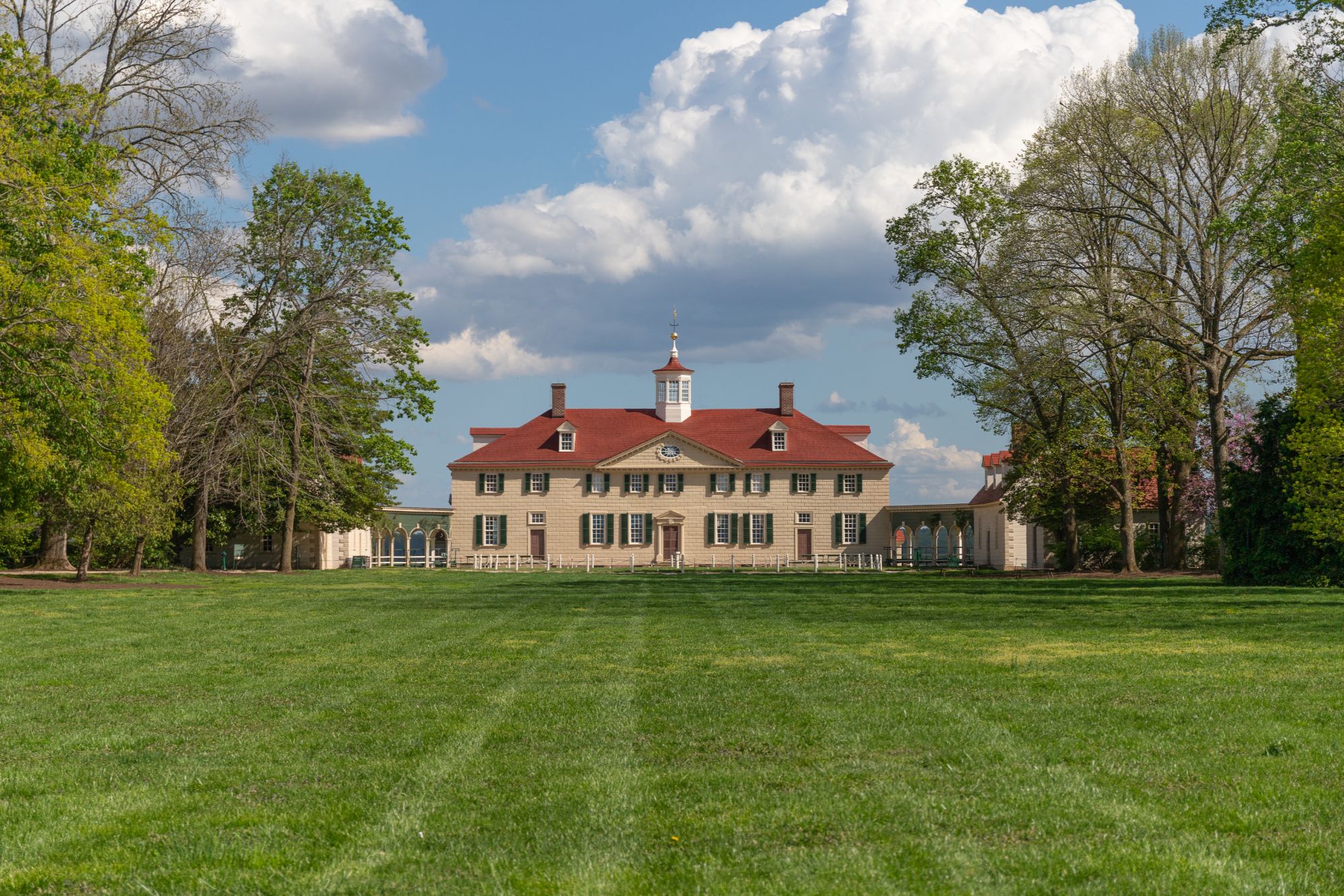
Mount Vernon – George Washington
Located along the Potomac River, Mount Vernon was George Washington’s beloved plantation estate.
Fun real estate fact: Washington was constantly renovating and expanding the property, proving that even the first president understood the value of improvements and long-term investment. Waterfront views never go out of style.
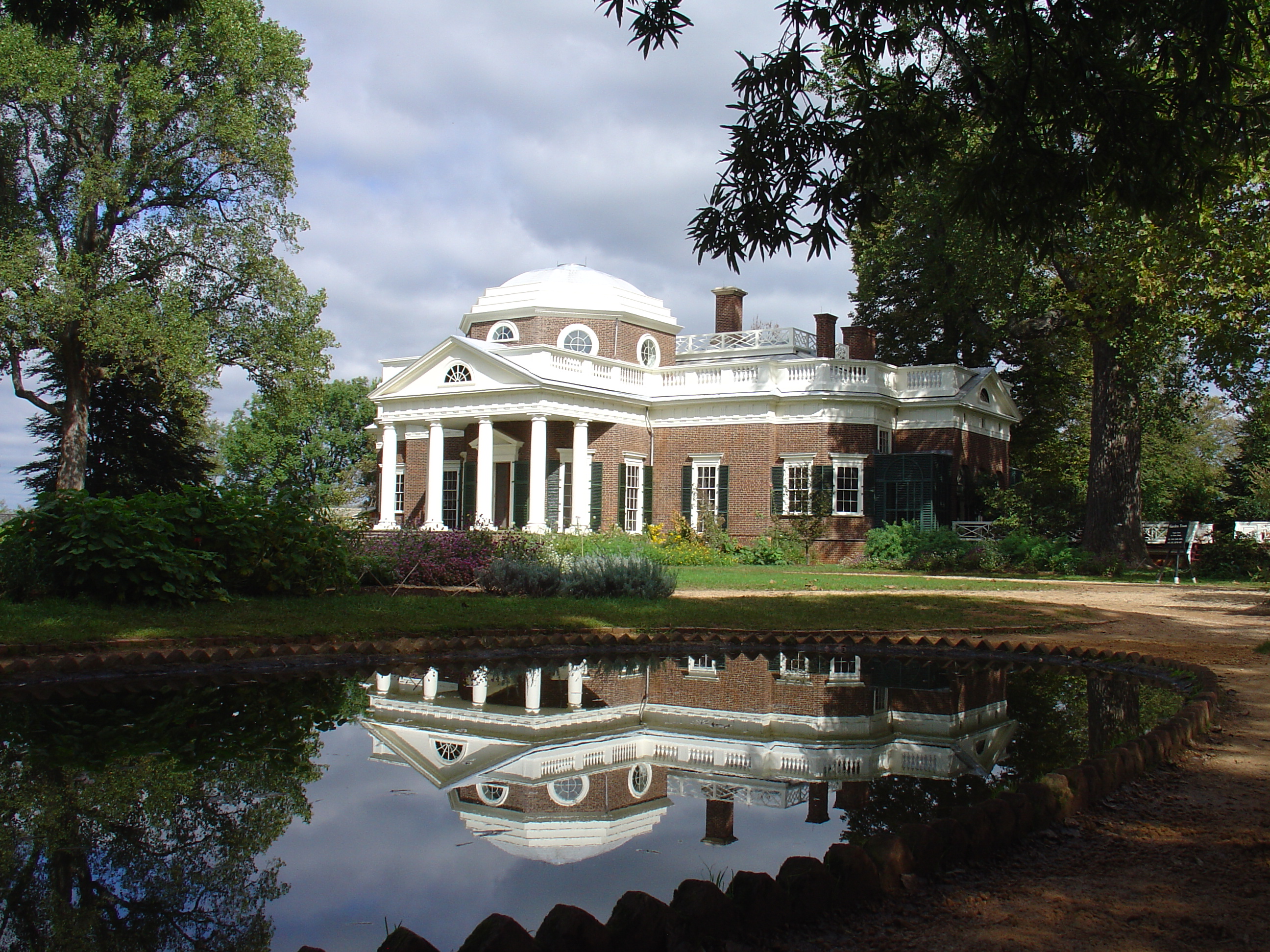
Monticello – Thomas Jefferson
Thomas Jefferson personally designed Monticello, and it was far ahead of its time.
The home featured skylights, hidden staircases, built-in beds, and innovative climate-conscious design. Jefferson’s home shows that custom details and thoughtful architecture have always mattered in real estate.
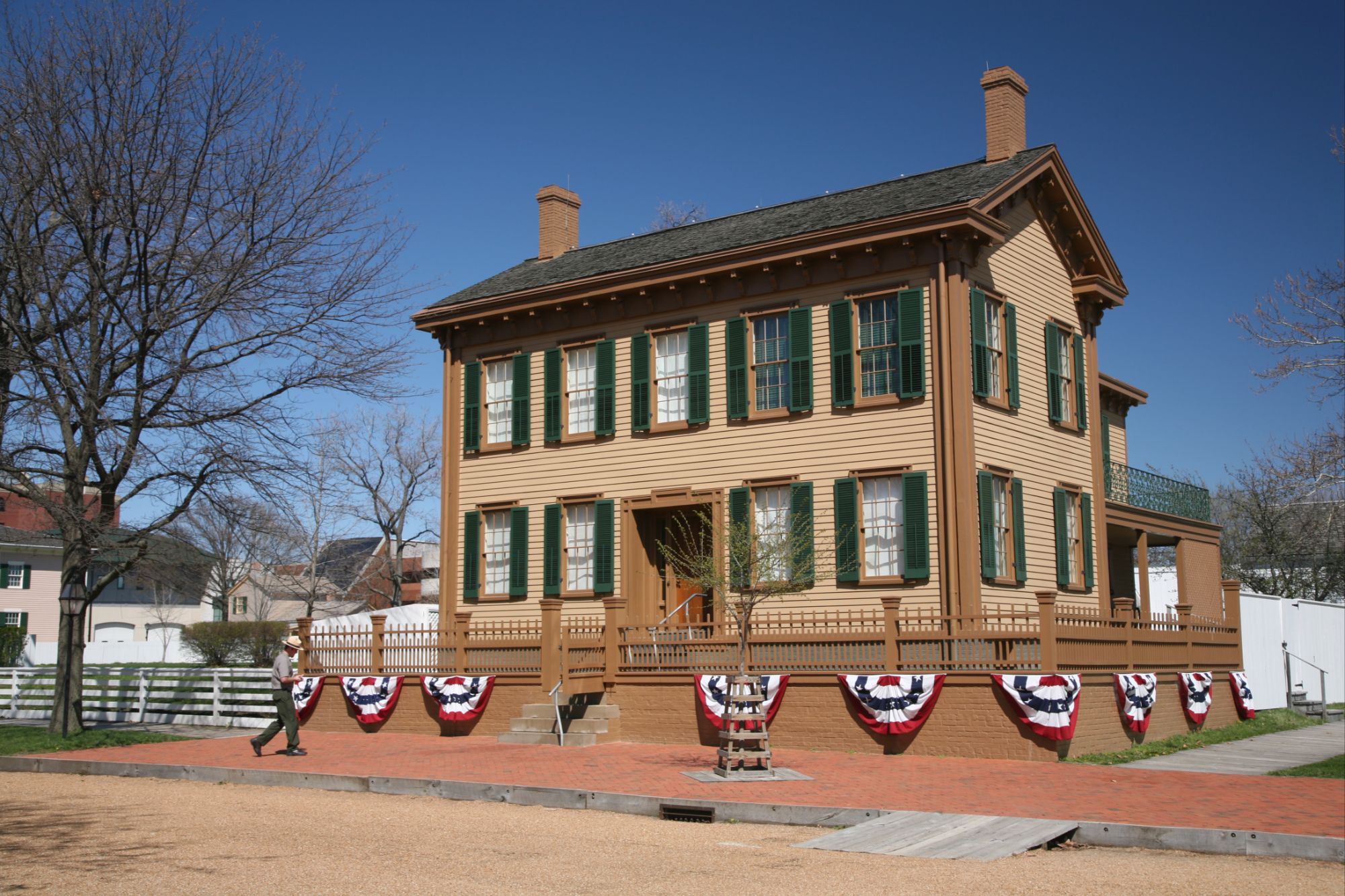
Lincoln Home – Abraham Lincoln
Before the White House, Abraham Lincoln lived in a modest home in Springfield, Illinois, now known as the Lincoln Home National Historic Site.
It started as a 1.5-story house and was later expanded, an early example of buying within your means and building equity over time. A reminder that even the most influential leaders often start small.
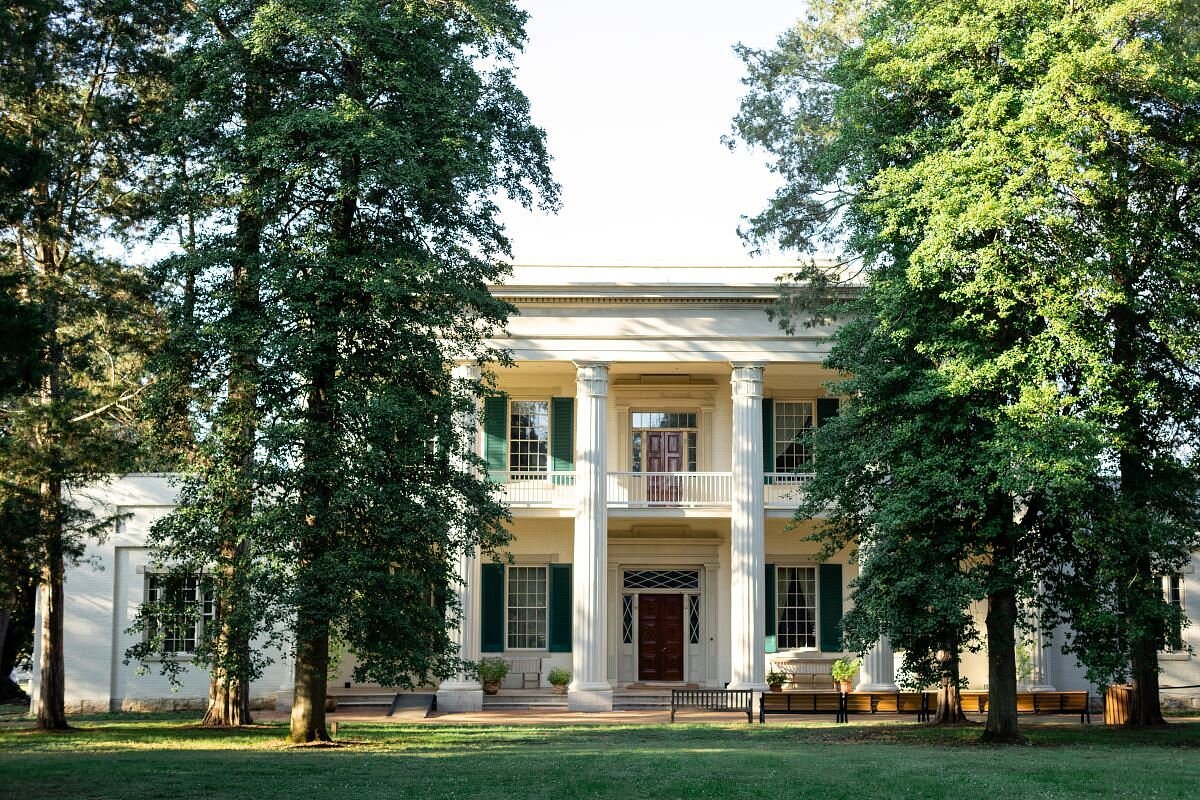
The Hermitage – Andrew Jackson
The Hermitage was Andrew Jackson’s plantation home near Nashville, Tennessee.
The property evolved over time and grew into a grand estate, highlighting how homes can change dramatically as owners’ lives and needs grow.
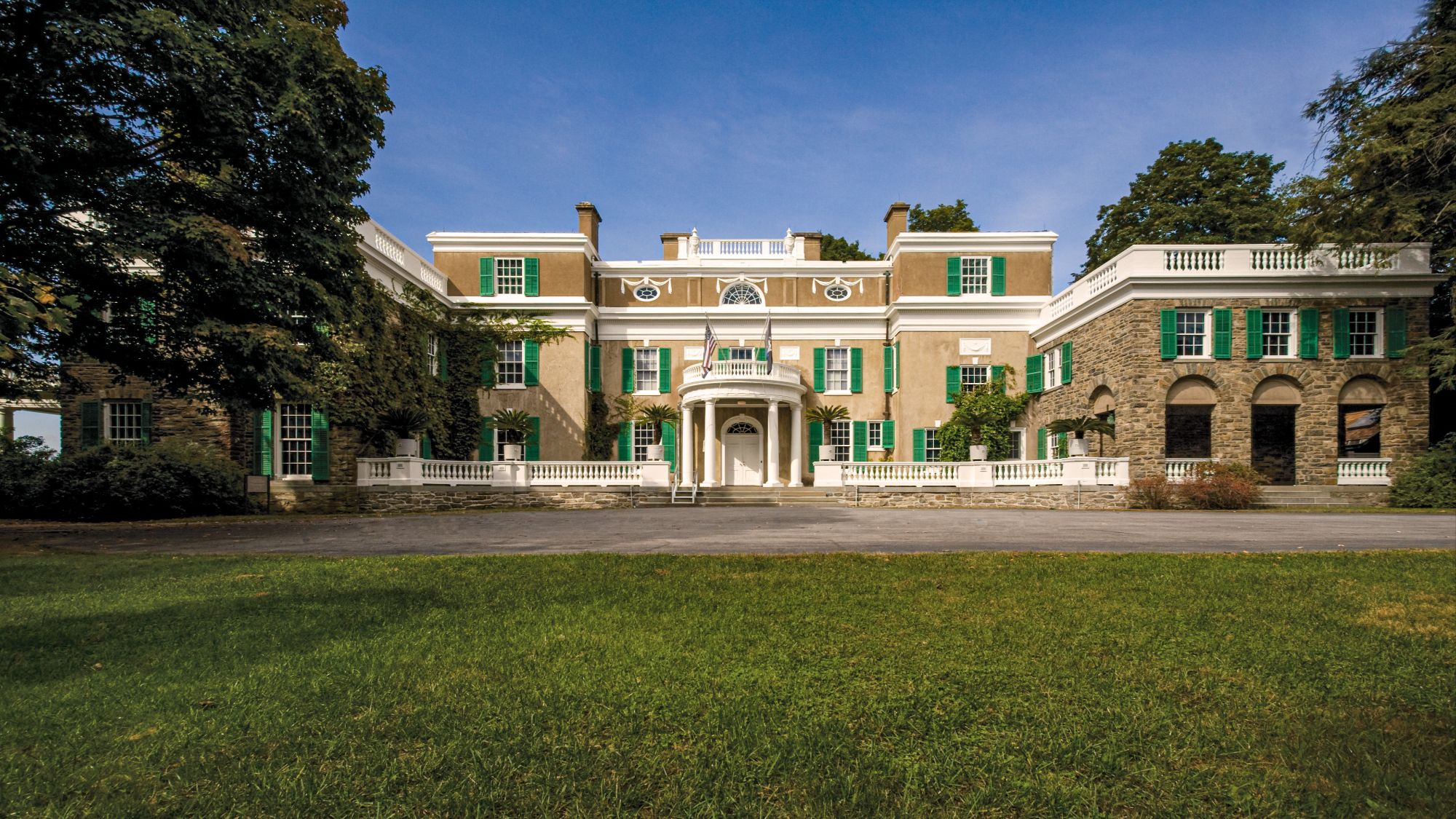
Hyde Park – Franklin D. Roosevelt
Franklin D. Roosevelt’s lifelong home, Springwood Estate, sat on the Hudson River in New York.
It remained his personal retreat even during his presidency, showing how important it is to have a place that truly feels like home no matter how busy life gets.
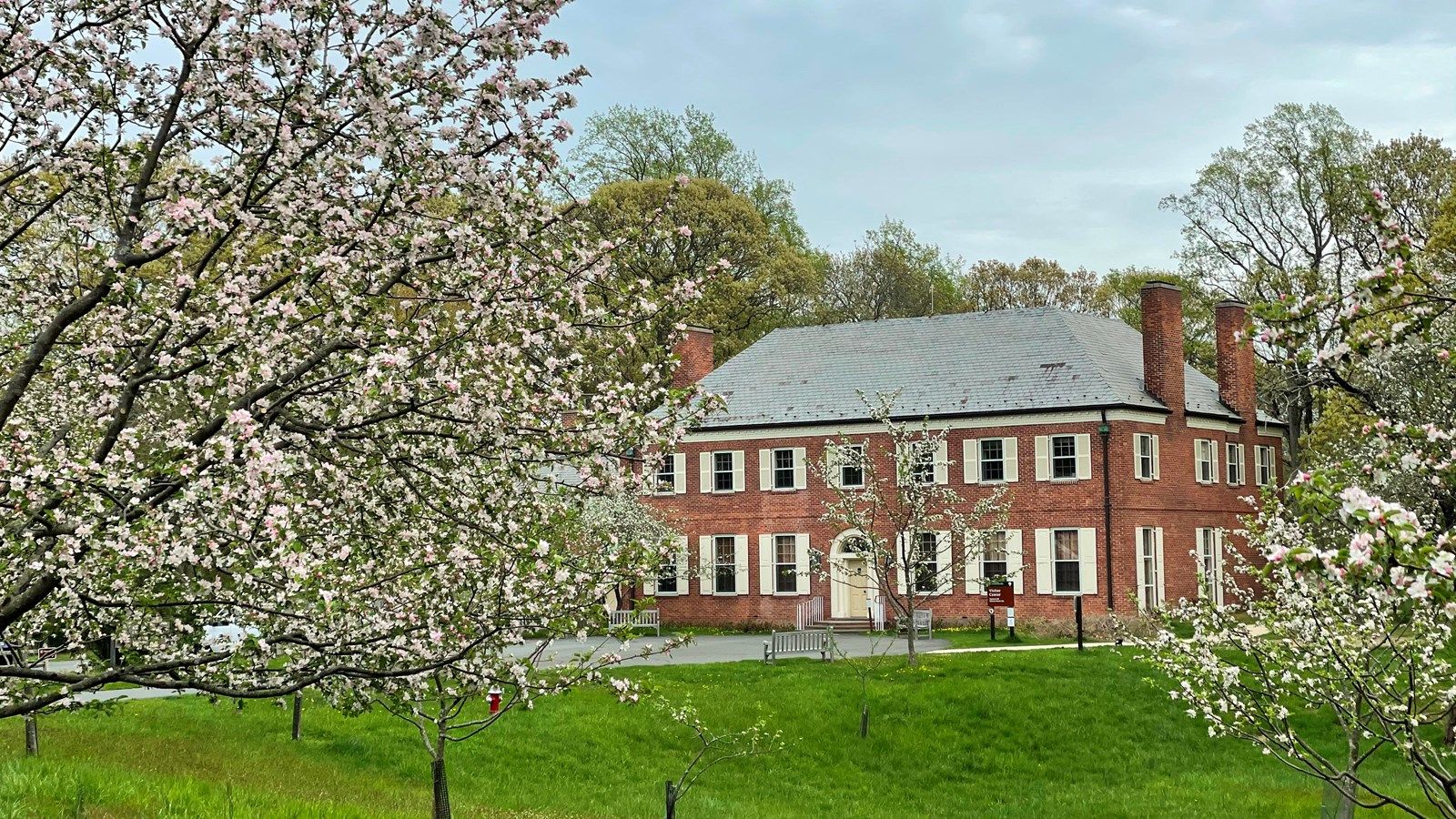
Sagamore Hill – Theodore Roosevelt
Located on Long Island, Sagamore Hill was Theodore Roosevelt’s family home and summer retreat.
Designed for entertaining and surrounded by nature, it reflects the timeless appeal of location, land, and lifestyle-driven real estate.
Real Estate Then and Now
From grand estates to humble family homes, presidential properties remind us that real estate has always been about more than just walls and roofs. It’s about lifestyle, legacy, and finding the right fit for where you are in life.
While most of us won’t be shopping for a historic estate, the principles remain the same:
location, functionality, character, and long-term value never go out of style.
Categories
Recent Posts