Buying Acreage in Northern Minnesota: 10 Things to Check
Buying Acreage in Northern Minnesota: 10 Things to Check Before You Buy
Buying a home on acreage can be one of the best ways to enjoy Northern Minnesota.
More privacy. More room for a garage or pole building. Space for gardens, pets, equipment, trails or simply some distance from the neighbors.
But buying rural property is also different from buying a house on a city lot.
Once you get outside Bemidji and the surrounding towns, buyers may need to think about private wells, septic systems, road access, internet service, wetlands, snow removal and other issues that may not come up with an in-town home.
Here are 10 things worth investigating before purchasing acreage in Northern Minnesota.
1. Understand Exactly What Land You're Buying
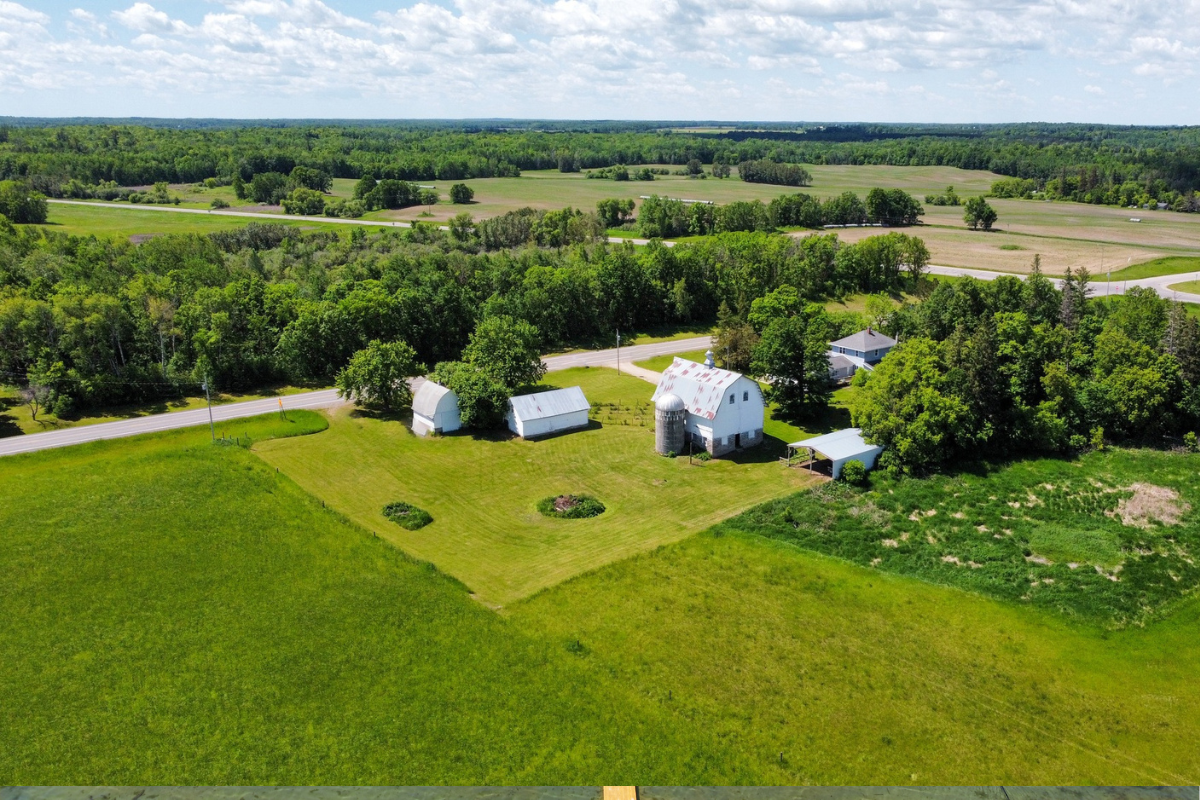
A large parcel can look simple when you're standing in the driveway, but property boundaries are not always obvious.
Fence lines, trails and mowed areas don't necessarily follow legal property lines.
Before purchasing, look carefully at:
- The legal description
- Parcel maps
- Existing surveys, if available
- Easements
- Shared driveways or access agreements
- Any unusual parcel shapes or separate tracts
If the location of a boundary is important to how you intend to use the land, a professional survey may be worth considering.
2. Pay Close Attention to Road Access
A beautiful home on 20 acres can become much less appealing if access is complicated.
Ask whether the road is:
- Public or private
- Maintained year-round
- Plowed by a government entity, association or individual owners
- Subject to a recorded easement
Northern Minnesota winters make this especially important.
A long driveway through the woods may look great in July, but think about what it will take to keep it open after a major snowfall in January.
3. Learn About the Private Well
Many rural properties rely on private wells rather than municipal water.
Minnesota law requires sellers to disclose information about wells on a property during a real-estate transfer. The Minnesota Department of Health also maintains well records and recommends that buyers gather information about well construction, maintenance and prior water testing.
Minnesota does not generally require private-well water testing at the time of sale, although some lenders may require it. The Minnesota Department of Health recommends testing drinking-water wells for contaminants such as coliform bacteria, nitrate, arsenic, lead and manganese on recommended schedules.
A private well is not necessarily a negative, but buyers should understand what they are taking responsibility for.
4. Don't Ignore the Septic System
Rural homes commonly use an individual septic system rather than city sewer.
Minnesota has hundreds of thousands of homes and businesses using septic systems, and state rules are implemented through local county, city and township ordinances.
When evaluating a property, try to determine:
- The age of the system
- The type of system
- Where the tank and drainfield are located
- Whether permits or compliance records are available
- When it was last pumped or inspected
Replacement costs can be substantial, so septic condition deserves attention during a rural purchase.
5. Check Internet and Cell Service
This one has become increasingly important, especially for buyers who work from home, stream television, use smart-home systems or simply want reliable connectivity.
We get asked about internet service all the time by buyers who are new to the Bemidji area. With more people now able to work from home either full time or part time, reliable high-speed internet can be just as important as the number of bedrooms, the garage or the amount of acreage.
The good news is that many parts of Northern Minnesota now have much better internet options than they did just a few years ago.
Paul Bunyan Communications has built an extensive fiber-optic network across much of our area. Its GigaZone fiber network serves many Northern Minnesota communities, including Bemidji, Blackduck, Cass Lake, Kelliher, Lake George, Laporte, Northome and Solway, among others.
That means some surprisingly rural properties can have very fast fiber internet. However, availability can change from one address to the next, so buyers should always verify service for the specific property rather than assuming it is available because a nearby home has it.
Check Paul Bunyan Communications GigaZone Availability
Satellite internet has also changed considerably. Starlink provides high-speed residential internet using a network of low-Earth-orbit satellites and can be an option for rural properties where fiber, cable or other wired broadband is not available.
Learn More About Starlink Residential Internet
For acreage buyers, this means a remote location does not automatically mean slow internet anymore.
Still, don't assume anything. Before purchasing, check the exact address with available internet providers, confirm expected speeds and costs, and test your cellular service while you're physically at the property.
If reliable internet is important for your job or lifestyle, this should be part of your property research before closing.
6. Look at the Land, Not Just the House
When buying acreage, the land itself may be a major part of the property's value.
Walk as much of it as practical.
Pay attention to:
- Low or wet areas
- Timber and open ground
- Drainage
- Trails
- Rocky or difficult terrain
- Access to the back portions of the property
Five acres of usable open land can feel very different from five acres made up mostly of wetlands or thick brush.
Neither is necessarily better. It depends on what you plan to do with the property.
7. Investigate Zoning Before Making Plans
One of the easiest mistakes to make is assuming acreage means you can do anything you want.
You may have plans for:
- A large detached garage
- A pole building
- Animals
- A home-based business
- An additional dwelling
- Short-term rental use
- Subdividing the property later
Local zoning, shoreland rules, setbacks and permit requirements can affect those plans.
If a specific future use is important to you, verify it with the appropriate county, township or city before purchasing rather than relying on assumptions.
8. Think About Outbuildings Carefully
Outbuildings are a major attraction for many acreage buyers.
A heated shop, pole barn or extra garage can add tremendous usefulness to a rural property.
But don't forget to look at the building itself.
Check the roof, foundation, electrical service, heating system and overall condition just as you would with the house.
Also make sure you understand whether the structure was permitted when required and whether its electrical or heating systems appear professionally installed.
9. Consider the True Cost of Maintaining the Property
More land usually means more maintenance.
That may include:
- Snow removal
- Driveway maintenance
- Mowing
- Tree removal
- Well maintenance
- Septic pumping
- Propane or other heating fuel
- Maintaining private roads or culverts
None of these automatically makes acreage expensive to own, but they should be included when deciding what property fits your budget and lifestyle.
10. Visit the Property More Than Once
A rural property can feel very different depending on the weather and time of day.
If possible, see it more than once.
Visit after rain. Drive the road in the evening. Listen for highway or neighboring activity. Check cell reception. Walk the land.
A property that feels extremely private in one direction may have something very different just beyond the tree line.
The more time you spend there, the better you will understand what you're actually buying.
Acreage Can Be a Great Fit — With the Right Homework
There is a reason rural property is so popular around Bemidji and Northern Minnesota.
You can find homes surrounded by woods, larger parcels with room to spread out, hunting and recreational land, lake-area acreage and properties where privacy is part of the appeal.
The key is understanding that you're buying more than a house.
You're also buying the driveway, the land, the water system, the septic system, the access and everything else that comes with rural ownership.
Doing a little extra homework before closing can make a big difference after you move in.
Looking for Acreage Around Bemidji?
The Hoover Group works with rural homes, acreage and recreational properties throughout Bemidji and the surrounding Northern Minnesota communities.
If you're looking for a property with a little more room, we can help you evaluate both the house and the rural-property details that come with it.
Search Homes and Acreage Around Bemidji and Northern Minnesota
Categories
Recent Posts